Emergency Dentist Beverly Hills for Sports-Related Dental Injuries
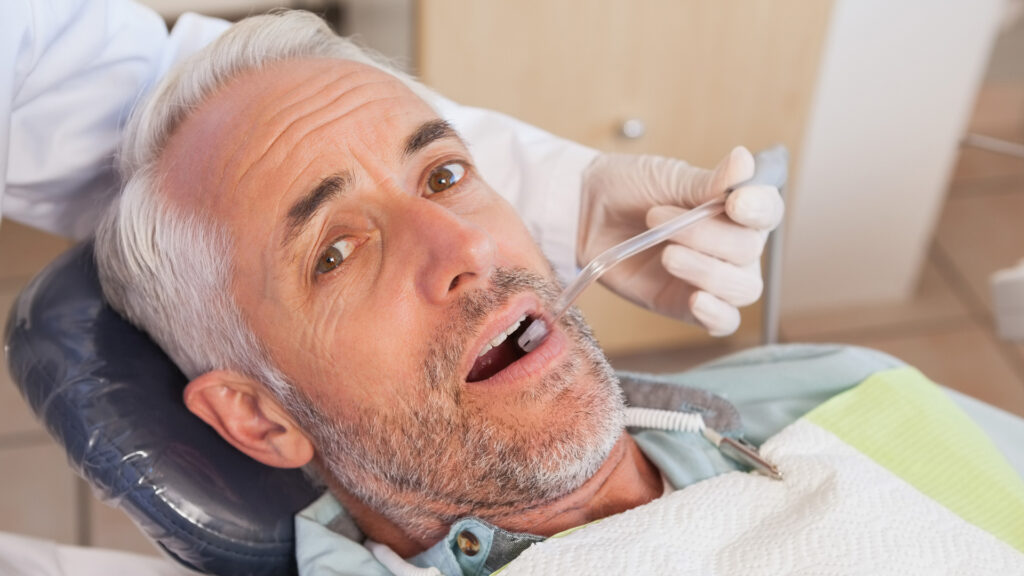
A fast game can turn into a dental emergency in a split second. One awkward elbow under a basketball hoop, a hockey puck that slips past a face shield, a fall from a bike on Benedict Canyon Drive, and suddenly a healthy tooth is chipped, pushed out of place, or lying on the court. When that happens, timing matters. So does judgment. Sports-related dental injuries rarely improve by waiting until next week, and the difference between saving and losing a tooth often comes down to what happens in the first 30 to 60 minutes.
That is why access to an Emergency Dentist Beverly Hills patients can reach quickly is so important for athletes, parents, coaches, and active adults. Dental trauma has its own rhythm. It is not always about pain. Some of the most serious injuries arrive with very little bleeding and almost no discomfort at first. A front tooth may look only slightly shifted. A molar may have a hairline crack that seems minor until the nerve becomes inflamed later that evening. A child may insist they are fine, even while a permanent tooth is quietly losing its best chance of survival.
In practice, sports injuries to the mouth fall into a few recognizable patterns. Teeth break, loosen, or get knocked out. Soft tissue injuries affect the lips, tongue, cheeks, and gums. Jaw injuries can complicate the picture, especially after direct blows or falls. Each scenario needs a different response, and not every urgent care office is equipped to handle it properly. A medical emergency room can rule out serious facial trauma, which is essential in the right situation, but dental injuries often need a dentist’s eye, dental imaging, and treatment aimed at preserving function and appearance.
Why sports injuries to teeth deserve immediate attention
People sometimes treat dental injuries as cosmetic. That is a costly misunderstanding. The front teeth, especially the upper incisors, are vulnerable in contact sports and falls. When one is chipped or displaced, the concern is not just the visible damage. The tooth’s pulp, ligament, surrounding bone, and blood supply may all be affected. What looks like a simple chip on the surface can extend deeper. What seems like a tooth that only shifted a little can actually represent significant ligament trauma.
The first few hours matter because a tooth is a living structure. Its survival depends on whether the root remains intact, whether the periodontal ligament can heal, whether bacteria can be controlled, and whether the tooth can be stabilized quickly enough. Delay can turn a manageable problem into root canal treatment, chronic pain, discoloration, infection, or extraction.
Athletes also face a specific challenge. They often want to return to activity quickly. I have seen weekend tennis players ask whether they can get back on the court the same day after a crown fracture, and teenage soccer players worry more about the upcoming tournament than the fact that a tooth has been partially intruded into the gumline. Good emergency care means treating the injury and setting realistic expectations. Some patients can return to non-contact activity fairly soon. Others need a temporary pause to protect a splinted tooth or healing soft tissue.
The sports injuries dentists see most often
A chipped tooth is one of the most common presentations. Sometimes only enamel is involved, and the repair is relatively straightforward. A dentist can often smooth a rough edge or rebuild the tooth with bonding that blends well visually. The urgency changes if the fracture exposes dentin or pulp. Dentin exposure tends to create sensitivity to air and temperature. Pulp exposure, which may appear as a tiny pink or red spot in the center of the break, raises the stakes considerably. In younger patients, preserving the vitality of the tooth becomes a central concern.
A displaced tooth is more serious than many patients realize. The tooth may be pushed inward, outward, or sideways. It may feel “off” when the patient bites down. These injuries often require careful repositioning and splinting. They also need follow-up because the nerve inside the tooth can deteriorate days or weeks later, even after the tooth is put back in place.
A knocked-out permanent tooth, called an avulsed tooth, is one of the true time-sensitive emergencies in dentistry. Reimplantation can succeed, but success depends heavily on how the tooth is handled outside the mouth and how quickly it is treated. A knocked-out baby tooth is different. Parents should not try to reinsert it because doing so can damage the developing permanent tooth underneath.
Cracked molars are common in adult recreational athletes, especially after collisions, falls, or a hard impact to the chin that forces the jaws together suddenly. These fractures can be tricky. Some are visible right away. Others hide below the gumline or run through the cusp of the tooth. The patient may report pain only when biting or releasing pressure. Those clues matter.
Soft tissue injuries often accompany tooth trauma. A split lip may be obvious, but a piece of tooth can embed in the lip or cheek, particularly after a forceful impact. If a patient has a laceration and a missing fragment of tooth, imaging may be needed to locate it. Tongue bites, cheek lacerations, and torn frenum attachments can bleed dramatically, which makes the scene feel worse than it is, but these injuries still deserve a careful dental and sometimes medical evaluation.
What to do in the first few minutes
The right first aid can preserve treatment options and reduce complications. Panic leads people to make avoidable mistakes, like scrubbing a knocked-out tooth with soap, wrapping it in tissue, or waiting to “see if it settles down.” A calm, practical response is far better.
When sports trauma happens, focus on these immediate steps:
- Control bleeding with gentle pressure using clean gauze or cloth, and check for signs of more serious facial or head injury.
- If a permanent tooth is knocked out, hold it by the crown, not the root, rinse briefly with milk or saline if dirty, and keep it moist.
- If possible, place the tooth back in the socket carefully, or store it in milk or a tooth preservation solution until you reach a dentist.
- Use a cold compress on the outside of the face to reduce swelling, and avoid chewing on the injured area.
- Contact an emergency dentist immediately, because a delay of even an hour can change the prognosis.
That short sequence covers the essentials, but context matters. If the athlete lost consciousness, has severe facial swelling, cannot open or close properly, has uncontrolled bleeding, or may have a fractured jaw, medical evaluation comes first. Dentistry is urgent, but airway, neurological status, and facial fractures take priority.
Saving a knocked-out tooth, the narrow window that matters
Of all sports-related dental injuries, avulsion creates the most anxiety, and for good reason. Patients often assume that once a tooth is out, it is gone for good. That is not always true. Permanent teeth can sometimes be replanted successfully if the root surface cells stay viable long enough. The best outcomes happen when reimplantation occurs quickly, often within 30 minutes if circumstances allow, though treatment may still be attempted later depending on the case.
The main enemy is drying. Once the root surface dries out, the cells responsible for reattachment begin to die. That is why the old habit of wrapping a tooth in a napkin is so harmful. Milk is a practical temporary storage medium because it is easy to find and gentler on root cells than plain water. Saline can help. Specialized tooth preservation kits are excellent if available, though few people happen to have one on the sidelines.
The other mistake is handling the root. Scraping it, brushing it, or disinfecting it aggressively damages the very tissue the dentist hopes to preserve. If there is visible dirt, a brief rinse is enough. Then the focus shifts to rapid transport and professional care. The dentist may reimplant the tooth, stabilize it with a splint, check the socket and bone, assess the bite, and begin a plan for monitoring healing over the next weeks and months.
Not every avulsed tooth has the same outlook. Age matters. Root maturity matters. How long the tooth was out matters. So does contamination. This is one of those areas where honest expectations are important. Even when a tooth is replanted well, later complications such as resorption or loss of vitality can still occur. But prompt treatment gives the tooth its best chance.
When a chipped tooth is more serious than it looks
A broken front tooth can appear minor in a bathroom mirror and still need same-day care. Small enamel chips are often simple to smooth or repair, but deeper fractures can threaten the nerve. Sensitivity to cold air, pain while breathing through the mouth, and visible color changes in the broken area can signal that the fracture extends beyond enamel.
Cosmetics matter in Beverly Hills, of course, but function should drive the first treatment decisions. In acute trauma cases, the initial goal is usually to protect the tooth, reduce pain, preserve structure, and create a stable restoration. That might mean bonded composite, a protective covering, reattachment of the original tooth fragment if it is available and intact, or temporary stabilization before a more definitive repair later. If the fracture line extends below the gumline, the repair becomes more complex and may involve multiple visits or referrals depending on the anatomy.
Children and teens need especially careful evaluation because their teeth and jaws are still developing. A young permanent tooth with an immature root may benefit from treatment aimed at keeping the pulp alive if possible. That is a very different conversation from the one you might have with a middle-aged adult who has a heavily restored tooth that fractures during a pickleball collision.
Teeth that move, loosen, or feel “high” after impact
Some of the most underestimated sports injuries involve teeth that are not broken or missing, just altered. A patient might say, “It feels weird when I bite,” or “This tooth seems a little longer now.” Those comments are red flags. Dental trauma can stretch, tear, or compress the ligament that anchors the tooth to bone. The tooth may become mobile, extruded, intruded, or laterally displaced.
This category is where clinical judgment matters. A mildly concussed tooth may only need monitoring, dietary modification, and follow-up vitality testing. A more significantly displaced tooth may need repositioning and splinting. Intrusion, where a tooth is driven into the socket, is particularly serious. It can damage the pulp, root, and supporting bone, and management varies based on the degree of intrusion and the patient’s age.
It is also common for these injuries to look worse over the next 24 hours. Swelling increases, bruising develops, and the tooth may darken later if the pulp loses vitality. Patients should know that delayed symptoms do not always mean the treatment failed, but they do mean follow-up is not optional.
Soft tissue trauma, stitches are only part of the story
Lips, cheeks, and tongues heal remarkably well, but only if they are cleaned and examined properly. A lip laceration from braces or a tooth edge can leave debris, tooth fragments, or dirt embedded in the tissue. Sports played outdoors add another layer of contamination. The wound may need irrigation, careful closure, and sometimes a tetanus review through the patient’s physician or urgent care provider.
The cosmetic stakes can be high when the lip border is involved. Small alignment errors at the vermilion border, where the pink lip meets the surrounding skin, can remain visible long after the swelling is gone. That is one reason facial lacerations should not be treated casually.
There is also the matter of hidden dental injury. A patient may focus on the cut because it bleeds more, while a cracked tooth in the same area goes unnoticed. Good emergency evaluation checks both the soft tissue and the dentition. I have seen athletes show up worried about a swollen lip and leave surprised to learn that the real issue was a luxated incisor with a compromised bite.
What an emergency dental visit usually involves
A proper trauma appointment is more than a quick patch. The dentist will ask how the injury happened, when it happened, whether the tooth was out of the mouth, how it was stored, and whether there was any loss of consciousness or facial injury. The mechanism tells a lot. A baseball to the mouth creates a different pattern than a low-speed bike fall or an accidental knee during a sparring session.
Examination usually includes visual inspection, mobility testing, percussion, bite assessment, and dental imaging. Photos are often useful, especially for tracking changes in position, color, and soft tissue healing. The dentist may test pulp response, though very early results can be unreliable after trauma. That nuance matters because a tooth can test “non-responsive” initially and recover later, or test normally and then deteriorate over time.
Treatment depends on the diagnosis. It may involve smoothing, bonding, reimplantation, repositioning, splinting, temporary coverage, antibiotics in select cases, pain management, and close follow-up. Sometimes the immediate visit is about stabilization rather than a final cosmetic result. A beautifully polished long-term restoration is not the first priority when the tooth’s survival is still uncertain.
The follow-up phase people often underestimate
Dental trauma is rarely a one-visit event. A tooth that seems stable today may change over the coming weeks. The ligament may heal, or it may not. The pulp may recover, calcify, or become necrotic. Root resorption may appear later on imaging. Even well-managed injuries can evolve.
That is why patients should expect a schedule of rechecks. The exact timing varies, but follow-up commonly extends over months. For athletes who travel, attend boarding school, or move between homes, continuity is worth planning for. Records, radiographs, and communication between providers help preserve treatment quality.
This long-view approach is especially relevant in an area like Beverly Hills, where appearance carries professional and social weight. Rushing into a permanent veneer or crown before the trauma has stabilized can create problems. Sometimes restraint is the smarter move. A temporary or conservative restoration gives the tooth time to declare itself.
Prevention is not glamorous, but it works
The irony of sports dentistry is that many of the worst injuries are preventable. Yet mouthguards remain underused in adult recreational sports, especially in activities people do not think of as dangerous, such as cycling, skateboarding, pickup basketball, and even some gym-based training sessions. I have heard every reason for skipping them: they feel bulky, they affect speech, they are easy to forget, they seem unnecessary for a casual game. None of those reasons feels persuasive when someone is holding half a front tooth in their hand.
Prevention comes down to a few practical habits:
- Wear a properly fitted mouthguard for contact and collision sports, and consider one for activities with fall risk.
- Replace damaged or ill-fitting mouthguards, especially for growing children whose dental anatomy changes quickly.
- Use helmets and face protection where appropriate, because reducing facial impact lowers dental injury risk too.
- Address protruding front teeth or unstable restorations proactively, since both can increase vulnerability during sports.
- Keep emergency contact information for a dentist readily available before the season starts.
Custom mouthguards generally offer the best comfort and retention, which means athletes are more likely to wear them consistently. Store-bought options can be better than nothing, but fit matters. A mouthguard that drops out when the athlete opens their mouth is not doing much good.
Parents, coaches, and adult athletes all need a plan
One of the clearest differences between manageable and chaotic injury response is preparation. Teams often have plans for sprains, dehydration, and head injuries, but not for a knocked-out tooth. Parents may know where the pediatrician is, not where to go for urgent dental trauma on a Saturday afternoon. Adult athletes can be just as unprepared, especially those playing recreational league sports after office hours.
A basic plan should answer a few simple questions. Who will make the call if there is an injury? Where is the nearest dental office that handles emergencies? Is there milk, saline, or a dental preservation kit nearby? Who has consent authority for a minor if the parent is not at the game? None of this is complicated, but it is much harder to improvise when adrenaline is high and the patient is bleeding.
Beverly Hills families and working professionals often have another concern: minimizing visible disruption. That is understandable, but it should not drive rushed decisions. A natural-looking Dental Group Of Beverly Hills Emergency Dentist Beverly Hills temporary repair placed promptly by an experienced emergency provider is usually a better path than delaying treatment in search of a “perfect” cosmetic answer. Traumatized teeth need biologic stability first.
Choosing the right urgent dental care in Beverly Hills
Not every dental office manages trauma with the same depth of experience. For sports-related injuries, the most useful provider is one who can triage efficiently, assess the full extent of injury, and coordinate follow-up if specialist care becomes necessary. That may include an endodontist for pulp-related complications, an oral surgeon for fractures or complex extractions, a periodontist for soft tissue and supporting structures, or a restorative dentist for long-term cosmetic rehabilitation.
When people search for an Emergency Dentist Beverly Hills provider, speed matters, but so does capability. Ask whether the office handles knocked-out teeth, splinting, trauma imaging, and same-day stabilization. The right office will also tell you when a hospital evaluation is more appropriate, especially if the injury involves possible jaw fracture, severe facial trauma, or neurological symptoms.
A good emergency visit should leave the patient with clarity. What exactly is injured, what was done today, what might change over the next several days, what warning signs to watch for, and when to return. That kind of communication is part of the treatment.
Sports are worth playing. Kids should climb, run, skate, and compete. Adults should keep moving too. Dental injuries are part of that reality, but permanent damage does not have to be. With prompt first aid, the right clinical response, and access to an experienced Emergency Dentist Beverly Hills patients can reach without delay, many sports-related dental injuries can be repaired, stabilized, and in some cases fully saved. The margin is often measured in minutes, not days, which is exactly why preparation matters before the next whistle blows.
Dental Group of Beverly Hills
8641 Wilshire Blvd #125, Beverly Hills, CA 90211, United States
Phone: +1 (310) 929-6335
FAQ About Emergency Dentist Beverly Hills
What is considered to be a dental emergency?
Severe tooth pain, a knocked-out permanent tooth, a significant tooth fracture, or suspected dental infection needs prompt professional assessment. Contact a dentist to describe the problem and arrange appropriate care. Trouble breathing or swallowing, uncontrolled bleeding, or major facial injury requires immediate emergency medical attention.
How to tell if tooth pain is serious?
Pain that is severe, persistent, or accompanied by fever, facial swelling, or a bad taste should be assessed promptly by a dentist. The cause cannot be confirmed from symptoms alone. If swelling affects breathing or swallowing, call 911 or go to an emergency department.
What do I do if I have a dental emergency and no dentist?
Call a nearby dental practice that accepts urgent patients and explain your symptoms, when they began, and any recent injury. Ask about the earliest available assessment and what information to bring. For life-threatening symptoms, seek emergency medical care immediately instead of waiting for a dental appointment.